2 Fast 2 Curious: Blockchain and foreign policy

The second installment of our summer learning series continues the discussion on blockchain, but this time from a foreign policy perspective. Follow VIA to learn about blockchain, zero-knowledge proofs, and all things Web3 in the Fast and Curious series.

Below is a transcript of the video:

As a country, we want to make sure that we’re safe. National security is of interest to all of us, and we need to make sure that there are ways to limit the power or keep checks and balances to unfriendly countries.

And as an example, things like cryptocurrencies or digital currencies can be used for nefarious reasons. They can be used in black markets. They can also be used by countries that have sanctions against them like Russia for invading Ukraine. It’s a way for people to get around embargoes or sanctions.

In September of last year, the United States White House put out a publication. It’s a longer document, and it’s the first-ever framework for digital assets. And the thing you’ll note is despite all of what’s happening today around regulation and legislation (really that’s just trying to clean up fakes in the industry) that there’s a clear commitment to U.S. leadership in the global financial system and economic competitiveness.

And I think that’s sort of reinforcing the points we just talked about in our previous video. There’s also the importance of kickstarting the private sector. It’s jobs for everyone, making sure there are high-paying jobs. A little bit further down there is a recognition of the potential benefits and risks of a U.S. central bank digital currency and how important that is to the United States around maintaining the U.S. dollar leadership. 

In a lot of ways globally, the U.S. dollar provides stability. The framework also aims to ensure that white-collar crime and fraud don’t become the domains of digital currencies overall.

So lots of reasons why Web3 and blockchain play a huge role around this area of domestic policy and foreign policy.

Number one, jobs. Very high-paying, high-quality jobs to create a robust domestic economy.

Number two, foreign competition. Making sure that sanctions and embargoes are maintained despite the proliferation of digital currencies.

And number three, the U.S. dollar. Making sure that the U.S. dollar, which has a huge role to play in the global economy, not just at home, and any kind of central bank digital currency can play an equally important role. Or, as digital currencies gain favor in the world, that the U.S. role is not diminished as a result of a rise in blockchain, Bitcoin and other digital currencies.

So there we have some of the key reasons domestic and foreign policy is having an impact on blockchain, and also how Web3 and blockchain is impacting domestic and foreign policy. We’re excited to see the commitment by the U.S. government in this area.

Thanks for watching. Stay tuned for next episode.

Department of Energy selects VIA to demonstrate zero-knowledge proofs for increased cybersecurity of DERs

SOMERVILLE, Mass., July 26, 2023VIA, the leader in secure verification, ingestion, and analysis of private data, announced today that it has been selected by the U.S. Department of Energy (DOE) for an in-depth review of zero-knowledge proofs (ZKPs) to maintain cybersecurity of distributed energy resources (DERs) to aid grid flexibility.

The project includes funding from the DOE and technical support from Idaho National Laboratory (INL), Pacific Northwest National Laboratory (PNNL), as well as demonstration with Enel, one of the world’s largest renewable generation and DER companies.

Enel North America’s Director of Innovation, David Rodriguez, commented, “Distributed energy resources, such as rooftop solar and battery storage, hold significant value in increasing the flexibility and reliability of the energy grid. To unlock that value, it is absolutely critical to maintain accurate data on the assets. VIA’s work in zero-knowledge proofs offers an innovative and a promising solution to ensuring data verification of energy availability and carbon intensity, while maintaining absolute data privacy and the highest levels of cybersecurity. We look forward to collaborating with VIA on this very important topic.”

Kate Ravanis, VIA’s COO stated, “ZKPs are an ideal solution to the dilemma of verifying carbon while maintaining individual data privacy. This is critically important where DERs from multiple owners, and sometimes competing owners, are required to coordinate to enable grid flexibility.”

This is the third VIA ZKP initiative supported by the DOE this year. In February, INL began evaluating VIA’s ZKPs to track carbon used in charging (smart charging) and discharging (vehicle-to-grid integration) in electric vehicles. In May, the DOE announced funding for industrial decarbonization through the Arizona State University’s EPIXC consortium, of which VIA is a member.

During the testing, VIA is demonstrating the ability of ZKPs to work with near real-time data to verify carbon intensity from distributed energy resources. In addition, DOE is also evaluating the quantum-resistant version of VIA’s ZKPs. Initial results are expected in October 2023.

Are you a community or business with electric vehicles or DERs? Reach out at info@solvewithvia.com to learn more and join the DOE demonstration.

About VIA

VIA’s mission is to make communities cleaner, safer, and more equitable by using AI and Web3 technologies. Using its Web3 platform, VIA enables real-time data verification, automated ingestion, and privacy-preserving analysis across multiple private data sources including energy and environmental data. The U.S. Department of Defense (DoD), Fortune 50 companies, and energy providers around the globe trust VIA to help them solve their toughest data privacy challenges.

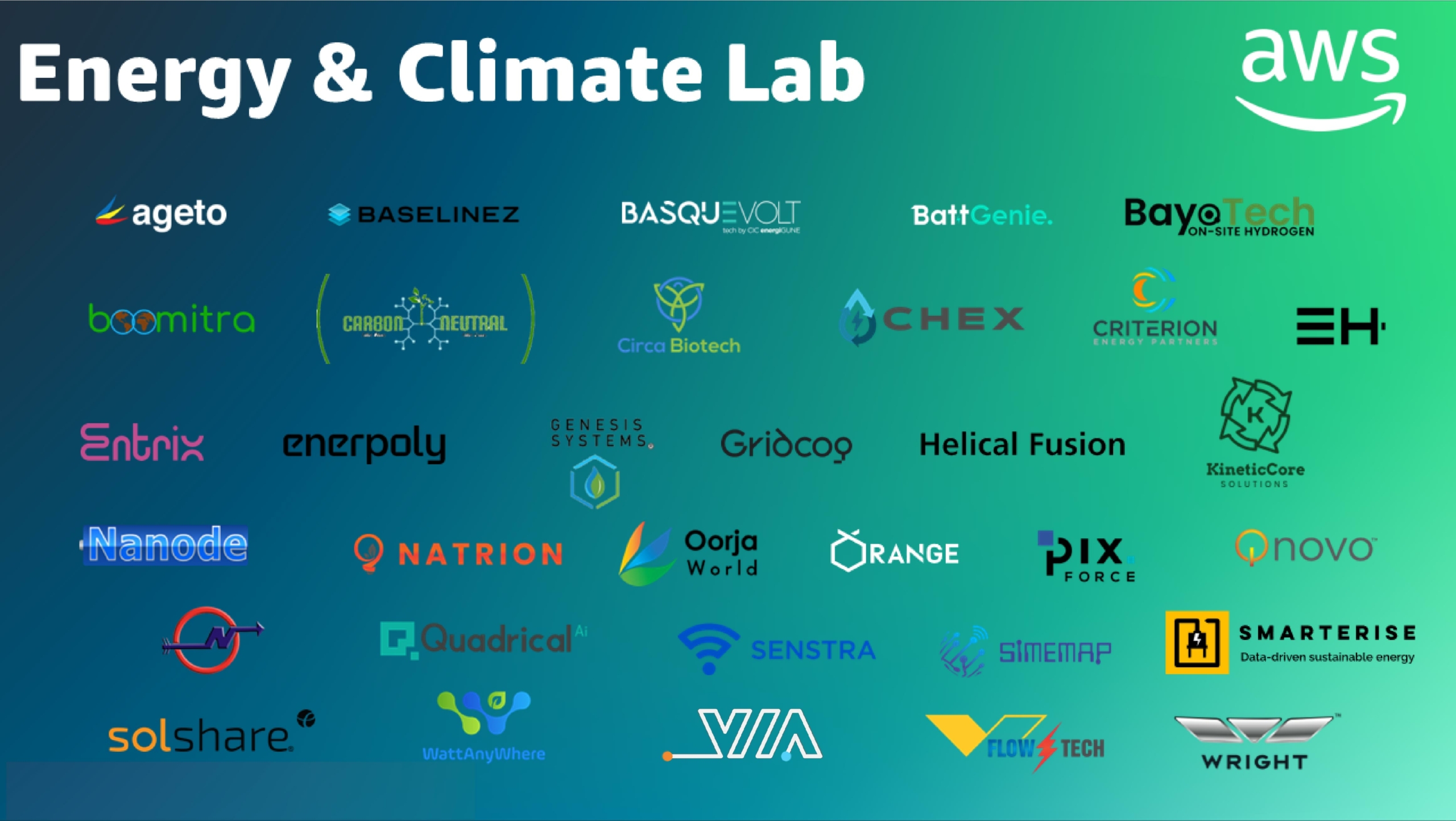
AWS selects VIA out of 470+ applicants to join 2023 Energy & Climate Lab

VIA is proud to have been chosen to join the 2023 AWS Energy and Climate Lab, a technology and collaboration program tailored to advance customer trial capabilities with the Clean Energy Accelerator. Considered a highly competitive program, VIA was one of only chosen 33 companies out of 470 contenders from across the globe.

VIA is proud to be joining this exclusive cohort of innovators and creating energy partnerships with the world’s largest energy, utilities, and industrial companies. Industry and thought leaders from around the world including BlackRock, EDF, Enel, Iberdrola, and NVIDIA are mentors in the program. Topics covered in the program will include energy, climate, digital technology, investment, public policy, innovation, advanced research, and more.

Support from the 2023 AWS Energy and Climate Lab will accelerate VIA’s focus on delivering energy solutions that make communities cleaner, safer, and more equitable by using AI and Web3 technologies.

Fast and Curious: Blockchain and domestic policy

This is the first installment of our brand new summer learning series: Fast and Curious. We’re summarizing key insights from our most popular private speaking events at Harvard, MIT, and elsewhere. For fans of our Blockchain Unboxed event, this video follows up on the connection between blockchain and domestic policy. Follow VIA to learn all about zero-knowledge proofs, public policy, and Web3 in the next few weeks.

Below is a transcript of the “Blockchain and Domestic Policy” video:

Welcome everyone to Fast and Curious with VIA. It may seem like an odd confluence of events, but actually the area of Web3 and blockchain impacting and being impacted by domestic policy and foreign policy is of high national importance and we’re going to spend one minute today to bring you up to speed on why that’s the case.

So first, let’s have a look at some companies. Let’s rewind the clock to 2011. And if you were to look at December 2011 and a list – thank you Wikipedia – of the largest companies by market capitalization on the planet, there are some observations to make about this list from 2011.

One observation is there’s a mix of countries. The United States is on this list, but you also have China and you’ve got Australia and Royal Dutch Shell, which is an Anglo-Dutch company.

Second observation is you’ll see commodities, right? So you’ll see the world of energy playing a big role. But energy more like oil and gas. Natural resources are really what’s driving this list from a big part, not exclusively, but from a big part.

Now, fast forward ten years, right? And let’s look at the list from 2021. In December 2021, when you look at that list, what’s the observation? Well, compare and contrast. Number one, a lot more American companies on this list. Eight out of ten of the companies are from the United States.

And number two, tech kind of plays the leading role here. Everybody basically on this list, even Taiwan Semiconductor or, you know, you could argue Berkshire Hathaway is not a tech company, it’s a financial services company. It is an investment firm, but who are some of the biggest stocks that they own? They own Apple, number one of that list. They own Microsoft, number two on that list. They own Amazon, number four on that list. So in a way, it’s an investor of some of the other companies higher up.

So the thing we’re seeing here is from a domestic policy standpoint, if you want to be elected and you want to be reelected, then one of the fabulous most easiest ways to do that is jobs. Create a strong economy. And the evidence shows that technology is a driver of high quality, high paying jobs. And how do you get more people employed? Well you make sure that there are technology jobs available here in the United States.

And so this is one reason that you’re seeing the United States focus in this area around things like blockchain and Web3, because 25 years ago, 25 or 30 years ago, you might not have picked the Internet or high technology as the biggest places where jobs are going to be created. But now that’s where wealth creation is happening. The result is the United States thinks ten, 15, 20, 25 years ahead of time. And with that perspective, an investment in things like Web3 and blockchain are inevitable because from a defensive perspective, you don’t want to miss out on this opportunity and have those jobs go elsewhere, have some other country become the main provider of that industry. And you want to be able to provide here domestically good things like high paying wages to people right here at home.

Our summary here is that the U.S. has leaped ahead in the economic league tables with the help of tech companies. U.S. investment in technologies like Web3 and blockchain are in the best interest for the long-term health of the U.S. economy.

In our next segment of Fast Curious, we’ll look at blockchain and foreign policy.

 

Former WSJ White House Correspondent and Senior Director at Circle, Jared Favole, interviewed during VIA live stream

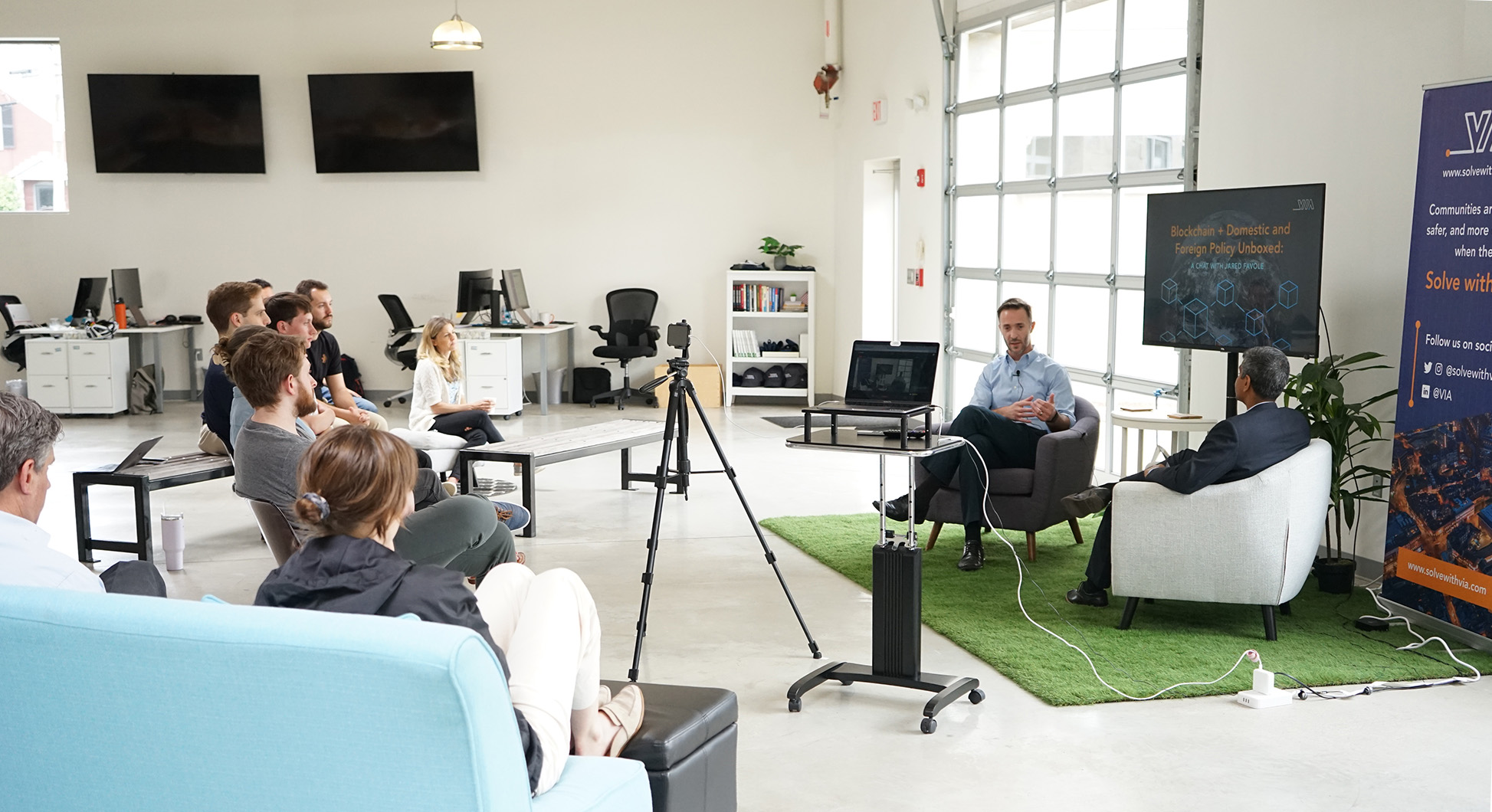
VIA had the pleasure of hosting Jared Favole, Senior Director, Communications and Policy at Circle and former White House Correspondent for the Wall Street Journal at VIA’s headquarters in Somerville two weeks ago. Jared joined us for our first-ever live streamed event. VIAneers in Somerville, Montreal, and viewers from around the globe tuned in to hear VIA’s CEO, Colin Gounden, interview Jared Favole to discuss all things blockchain and domestic and foreign policy.

Circle is a global financial technology firm and the issuer of USDC and Euro Coin – highly liquid, interoperable, and trusted money protocols on the internet.

One of our favorite quotes from Jared during the event ties to the benefits of digital currencies over cash:

“The traditional way to deliver aid, particularly in the middle of a war zone or strife, sometimes amounts to literally flying a plane and dropping a palette of cash … if you tried to create an innovation called “cash” today, it would not get approved.”

Jared also shared his experience while being a White House Correspondent, his thoughts on how to make blockchain work in the future, and answered a number of excellent questions submitted from audience members on social media, the live chat, and in person. The full recording of the 45-minute discussion is available below:

As a follow up, blockchain, Web3, and particularly zero-knowledge proof enthusiasts will be excited to hear that we are launching “Fast and Curious,” a summer learning series of short videos where our CEO Colin Gounden gives an overview of specific topics in the Web3 space.

The first blog in this series will also be on blockchain and domestic and foreign policy. So, follow VIA’s website and social media (LinkedIn, Twitter, Instagram) to catch the latest!

Power Up! Winner: AI to improve developer experience

Frequent readers of VIA’s blog will know that twice a year we invest several days into “Power Ups!” These are days where 100% of VIAneers to stop bumping their heads on their day-to-day tasks and think about ways we can improve the way we work.

This year, we focused on artificial intelligence (AI). VIAneers self-selected into 13 teams and came up with ideas to leverage AI. Ideas included everything from ethical guidelines for AI, and how to generate more blog content, to how to use AI to support Kubernetes deployments.

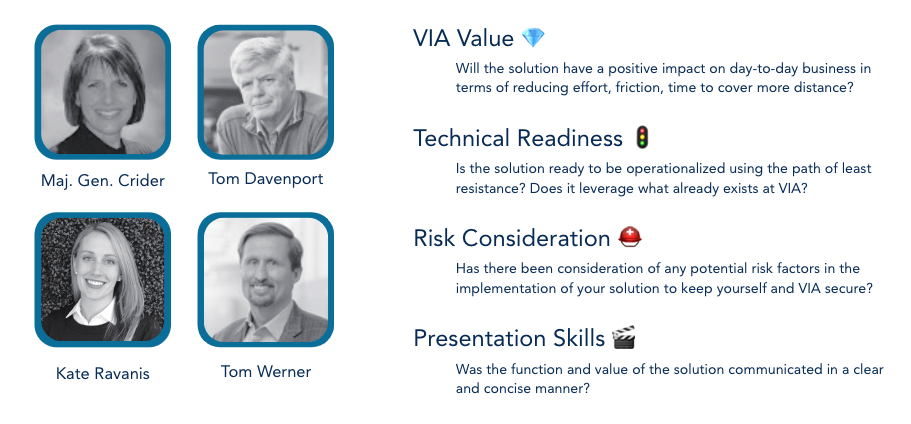
This Power Up! we upped the stakes and had the teams compete for a $1,000 USD prize to be spent on anything that they would like. We were privileged to have Major General Kim Crider (ret) former Chief Technology Innovation Officer of the United States Space Force, Tom Davenport, author of more than 11 books on analytics and AI, and Tom Werner, former CEO and Chairman of SunPower join VIA’s COO, Kate Ravanis as our panel of judges to select the winner.

Winners were judged based on four criteria: VIA Value, Technical Readiness, Risk Consideration, Presentation Skills.

All of our VIAneers did an incredible job of not just finding great ways to leverage AI but also implementing them in the 2.5 day Power Up! time limit. 

But, there could only be one winner. 

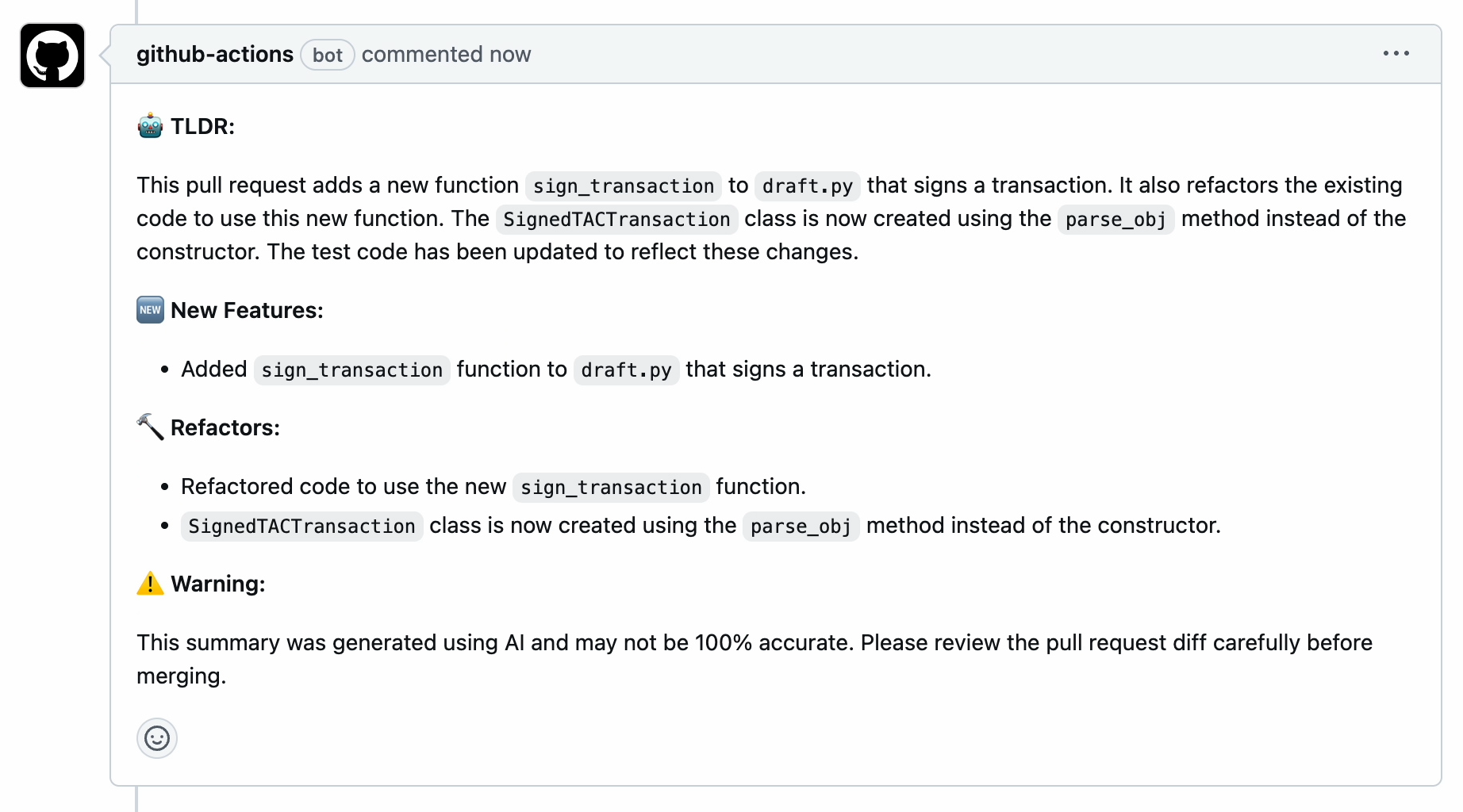
The team that won was the TL;DR team. As readers know, we love a good pull request (feedback on developer code changes). While we have a whole language system about how to provide feedback on pull requests, TL;DR team figured out how AI could be used to help write a summary of the pull requests to aid reviewers.

“We found that all the teams had done an exceptional job generating ideas and taking a first pass at articulating the benefits and the implementation plans for their AI initiatives. What the judges thought made TL;DR stand apart was that the team had actually implemented their solution and reviewed internal data to quantify a savings of more than $250,000 per year with no additional costs. The fact that they had also thought through how to make the AI generated summaries reflect VIA’s culture and values was a special bonus from my perspective.” said Kate Ravanis, VIA’s COO.

As the video below shows, the TL;DR team’s AI generates summaries of pull requests to speed up the code review process.

Here are a few examples of how the TL;DR team’s project excelled against the evaluation criteria in just a few short days:

  1. VIA Value – The team requested internal data and was able to quantify the expected value (over $250,000 per year) and provided a spreadsheet to show their work.
  2. Technical Readiness – The code was working and demonstrated on a current VIA repo using VIA’s existing infrastructure. Bonus points that the AI model was directed to generate text that reflected VIA values and even use emojis.
  3. Risk Consideration – The team evaluated external solutions but ultimately implemented an in-house solution to protect VIA’s intellectual property. A thoughtful addition is to add a warning to each response that it is generated by AI and may not be 100% accurate.
  4. Presentation Skills – Every team had a 5 minute limit and TL;DR did a great job of summarizing their solution clearly and concisely.

Less than two weeks later, this solution is already live and in use today with VIA developers. 

Consistent with our long-standing commitment to improving developer communities everywhere, after further testing at VIA we will open source this project and make it available on GitHub.

Introducing VIA GPT: Supporting customers using AI

In October 2022, VIA began testing generative AI (GAI) and large language models (LLM) to support our internal development work. In January 2023, we released our first documentation to customers using GAI. The idea was that if we used GAI to create and provide first line technical support to customers, we could provide high leverage to our more seasoned technical VIAneers – with the caveat that everything was vetted by a person for accuracy and consistency.

Of course a lot has happened in the GAI and LLM world since January. Model variety, use cases, and performance are increasing exponentially.

Today, we’re pleased to launch VIA GPT as a way for our customers to get first line technical support on our core components (initially VIAsecurechain, and Fingerprinting).

With VIA GPT, customers can ask natural language queries to receive:

  • Documentation about our components

  • Code examples to deploy and integrate products

  • Multi-lingual support

  • 24/7 support

In addition, the use of a VIA-specific interface reduces the risk of GPT “hallucinations” from queries and creates a user-tailored and / or enterprise memory that is accessible across query sessions.

Given our standard deployment environments (Kubernetes, Helm charts) and also standard APIs (RESTful and Kafka with Swagger docs) most customers that have large IT teams can integrate and install VIA’s platform in just a few hours. We hope that VIA GPT support will reduce that time even further and bring our platform to enterprises with smaller IT teams.

Of course, our friendly and experienced VIAneers are always available to support customers directly as well. We look forward to continuously enhancing our offerings and giving our customers the VIA Good experience they have come to expect.

If you are interested in learning more about VIA GPT, contact us!

The Westly Group features VIA in recent ESG annual report

Last month, the Westly Group released their 2022 Annual ESG Report which featured ESG initiatives for all of its portfolio companies. VIA is proud to be included as a case study in this report (on page 23). The case study covers the ways VIA builds core values and inclusion into our company culture, supports critical infrastructure, and chooses mission-aligned customers and partners. Through our values and initiatives, VIA has created a strong, positive workplace:

At VIA, the team believes that a healthy workplace culture is not something that only one person at the company can drive – it needs to be cultivated by every team member from one-on-one settings to large groups. This approach has helped VIA create a close-knit, productive team that represents 20 different nationalities and speaks 14 languages. 

To read the full case study on VIA, see the Westly Group report. If you are interested in learning more about VIA’s company culture, visit our careers page or better yet, contact us!

VIA hosting hybrid company-wide Power Up! event centered around AI

It’s that time of year again! We’re gathering up our VIAneers for a three-day company-wide event we call Power Up! During the hybrid event, team members will get together in Somerville, Montreal, and join virtually to work together to stop “bumping our heads” #IYKYK. The theme of this Power Up! is “Bringing your A(I) Game!”. With Generative AI on the rise, we’re brainstorming ideas, collaborating on topics, and having a healthy competition for the best Generative AI project, with the goal of harnessing the power of GAI and LLM. Follow along on LinkedIn, Twitter, and Instagram, as we share more on our Power Up!

Tracxn selects VIA for third time on top emerging companies list

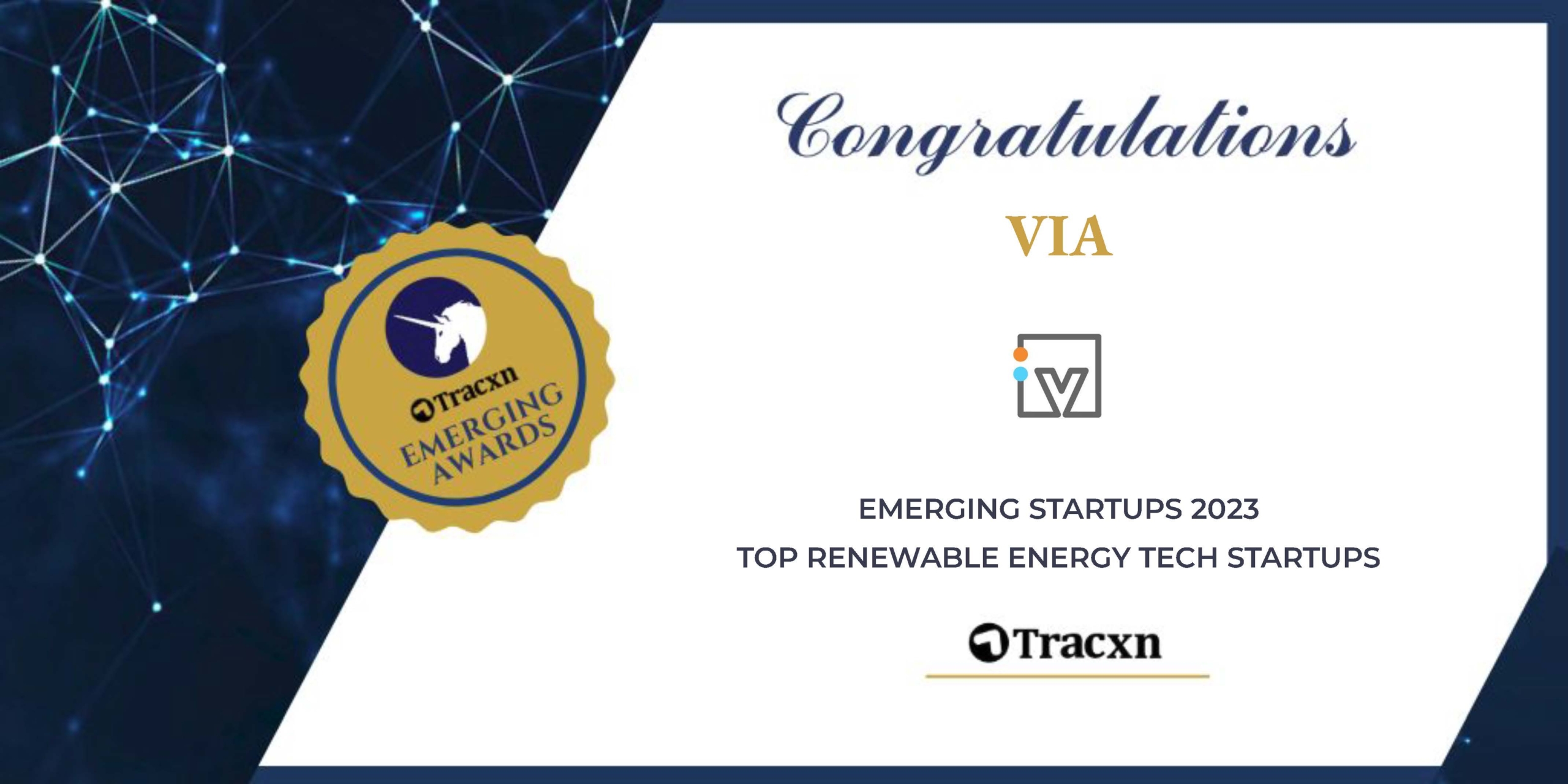
For the third time in three years, Tracxn, a research company well known for “tracking innovative companies and emerging technologies” has recognized VIA as a top emerging company. This year and for the second time, VIA is honored to be featured in the “Emerging Startups of Renewable Energy Tech” list. Coined a “Minicorn,” VIA was selected out of more than 2.7K+ startups in the renewable energy tech space.

Certificate of Appreciation presented by Tracxn

If you would like to learn more about the ways VIA is supporting renewable energy and how we can help your company achieve goals in this area, contact us!

VIA Live Stream Event: Blockchain + Domestic and Foreign Policy Unboxed: A Chat with Jared Favole

Mark your calendars for June 27th from 2:30 – 3:15pm ET: VIA is hosting a live streamed event (on YouTube) where CEO Colin Gounden will interview Senior Director, Communications and Policy at Circle and former White House Correspondent for the Wall Street Journal, Jared Favole :tada:. This exclusive interview will cover the intersection of blockchain and domestic and foreign policy. Don’t miss out – RSVP on the LinkedIn event page and select the option to add to your calendar :spiral_calendar_pad:#blockchainunboxed

Harvard Belfer Center features VIA in recent report on insights from Blockchain for Impact Workshop

In late April, VIA’s CEO, Colin Gounden was invited to present on a panel during a workshop at Harvard’s Belfer Center for Arts and International Affairs. The workshop, “Blockchain for Impact Workshop: Perspectives on International Development, Public Goods, and Regenerative Economy” brought together over thirty participants who are considered experts in Web3 to discuss the impact this technology is having today and what it will look like in the future.

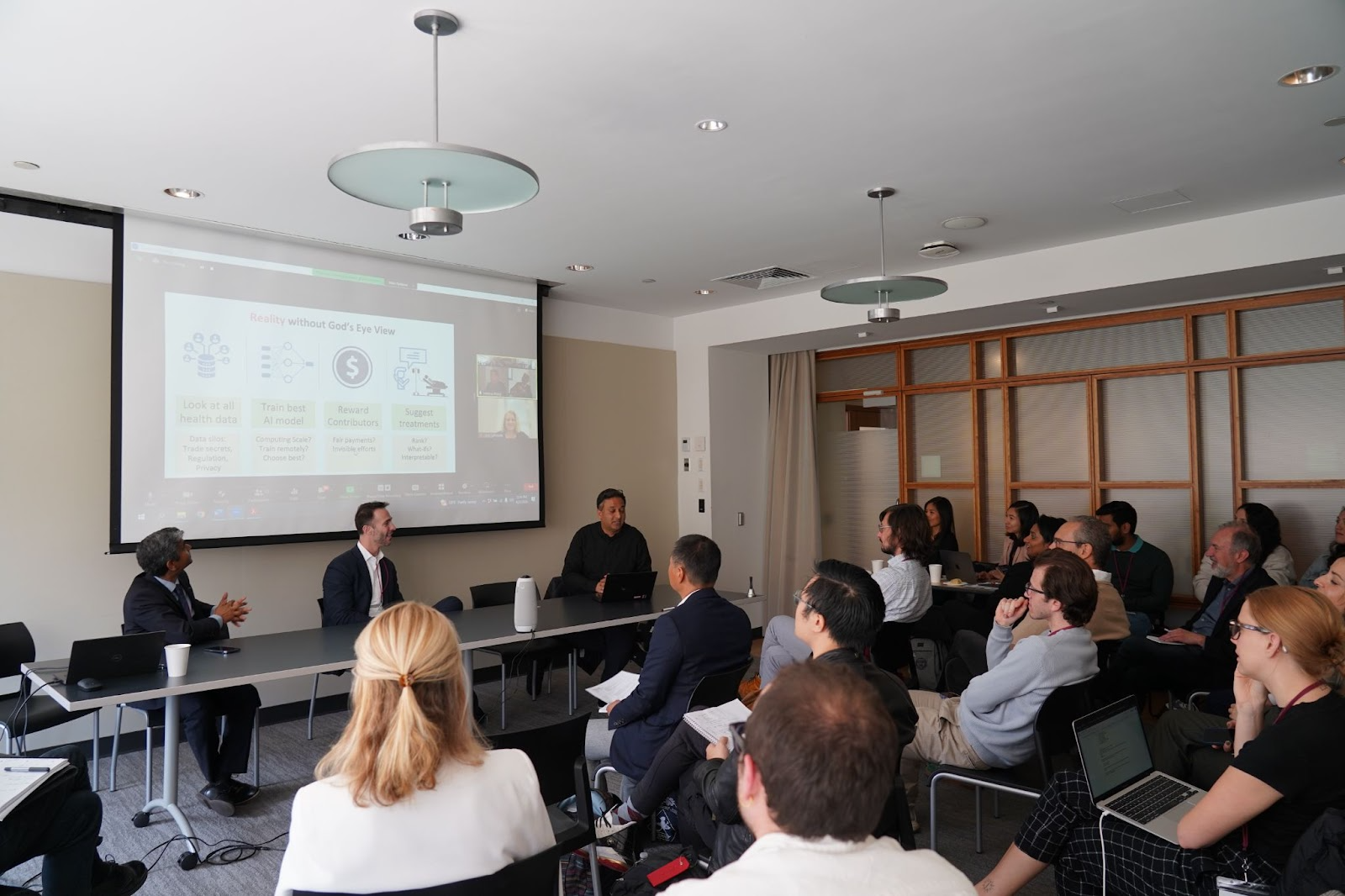
After the event, the organizers put together a comprehensive report on all of the findings from the workshop. Colin’s panel, “Collaborative Futures” is included in the six page report, where he spoke alongside Cara LaPointe of the Johns Hopkins Institute for Assured Autonomy, Ramesh Raskar, Associate Professor of Media Arts and Sciences at MIT, and Jared A. Favole, Senior Director of Policy & Communications at Circle (pictured below).

Picture courtesy of Blockchain for Impact Workshop

The panel stressed the need for collaboration across stakeholders to maximize the benefits of blockchain. Colin talked about the importance of preserving privacy while collaborating and how Zero Knowledge Proofs (ZKPs) play a role:

By utilizing ZKPs, VIA strives to address the challenge of preserving the privacy of sensitive data, which often hinders data owners from sharing information freely. The implementation of ZKPs helps facilitate secure and transparent collaboration among stakeholders, furthering the mission of creating positive social and environmental impact.

Coming out of the event, is another! Colin has invited fellow panelist, Jared Favole, to VIA’s Somerville office for a talk on the intersection of blockchain and domestic and foreign policy. The chat will be live streamed on June 27, 2023 from 2:30 – 3:15pm ET. To RSVP for the event, visit the LinkedIn event listing.

If you would like to speak directly with a member of our team about the ways we can help your organization collaborate using Web3, contact us!

VIA’s CEO Colin Gounden invited as panelist at 2023 IEEE Power & Energy Society General Meeting in Orlando

VIA’s CEO Colin Gounden has been invited to speak as a panelist during the session “Challenges of Data Use in the Evolving Smart Grid” on July 19, 2023 from 8:00 – 10:00am ET. The panel is sponsored by the IEEE Digital Privacy Initiative.

The panel is part of the larger conference taking place from July 16 – 20, 2023 at the Hyatt Regency in Orlando, FL. The theme of this year’s conference is “Meeting the Energy Needs of a Dynamic World”. Bringing leaders in the electrical and power engineering industry together, the event will cover an array of topics from decarbonization to best practices during extreme weather events.

To register and learn more, visit the event website:

Blockchain for Europe and IOTA Foundation feature VIA’s Web3 solutions in recent report

Blockchain for Europe, a members-only organization that serves “companies driving innovation, integrity, and empowerment through blockchain,” partnered with IOTA Foundation, a non-profit that develops next generation protocols, to write a comprehensive report on the ways blockchain is supporting global sustainability efforts.

The report titled, “An Overview of Blockchain for Climate Action and Sustainability,” includes VIA’s Web3 solutions in a section that covers global climate change initiatives. The authors discuss Skylight and a more recent initiative for EVs:

VIA’s Web3 platform will then also allow verification of the fuel mix of the charge and discharge of EV batteries, incorporating VIA’s zero-knowledge proof (ZKP) to maintain the privacy of sensitive data that currently creates friction for the data owner in the decision to share this information.

For the full report and details written about VIA’s Skylight and ZKPs application for EVs, visit the Blockchain for Europe website. If you would like to speak directly with a member of our team about the ways we can help your organization using Web3, contact us!

VIA CEO Colin Gounden to speak on sustainability panel at TiECON East

TiE has invited VIA’s CEO Colin Gounden to speak on the panel “Activating Capital for Transitioning to a Low Carbon Economy.” The panel takes place at 9:45am on Friday, April 28th at TiECON East 2023 in Waltham, Massachusetts. TiECON East brings together industry leaders, innovators, and emerging entrepreneurs.

According to TiE’s website, “TiE Boston is focused on supporting entrepreneurs throughout their lifecycle — from ideation to creation, through growth, wealth creation and ultimately, support of future founders. By encouraging collaboration between our members throughout the entrepreneurial process, with programs, events, other forums created by entrepreneurs, TiE has created a repeatable cycle to foster the next generation of entrepreneurship.”

Register and learn more here: